10 Things to Know Before You Start Your Renovation
You've been thinking about this renovation for a while now. Maybe it started with a broken appliance or a baby on the way. Maybe you've just outgrown how you're living. Whatever brought you here, you're ready — and that's exciting.
But before the design begins, there are a few things worth knowing. This is your adventure briefing. The more you understand going in, the fewer surprises you'll face along the way.

1. Show me the money
Knowing how much you can spend is the first variable in any renovation plan. Very few of us have unlimited budgets, and most of us have dreams that are bigger than our wallets! There are many factors that affect what things cost, and I've written a separate post about it [HERE]. Bottom line: it will cost more than you think. Not the most encouraging news, but true!
2. Good design takes time
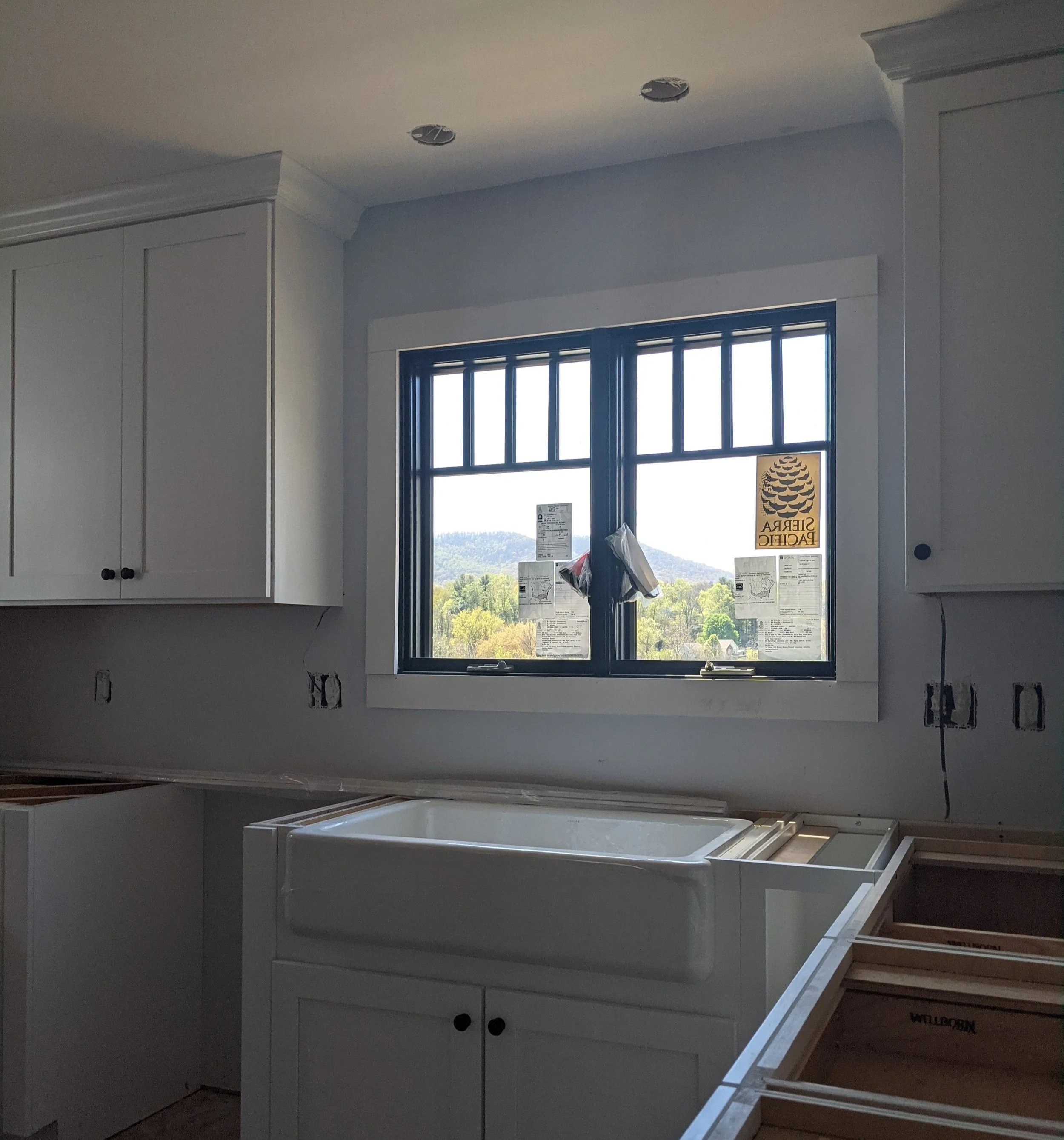
When homeowners come to me, they've been dreaming about their renovation for months — sometimes years — and are eager to get started. That impatience makes sense. But a good architect does more than put lines on a page; they help clarify your ideas, plan the space efficiently, and identify issues with structure, systems, and materials before construction begins. Taking extra time to carefully think through the details during design means fewer surprises during the build, because redrawing a plan now is always cheaper than a change order later.
3. Know your priorities
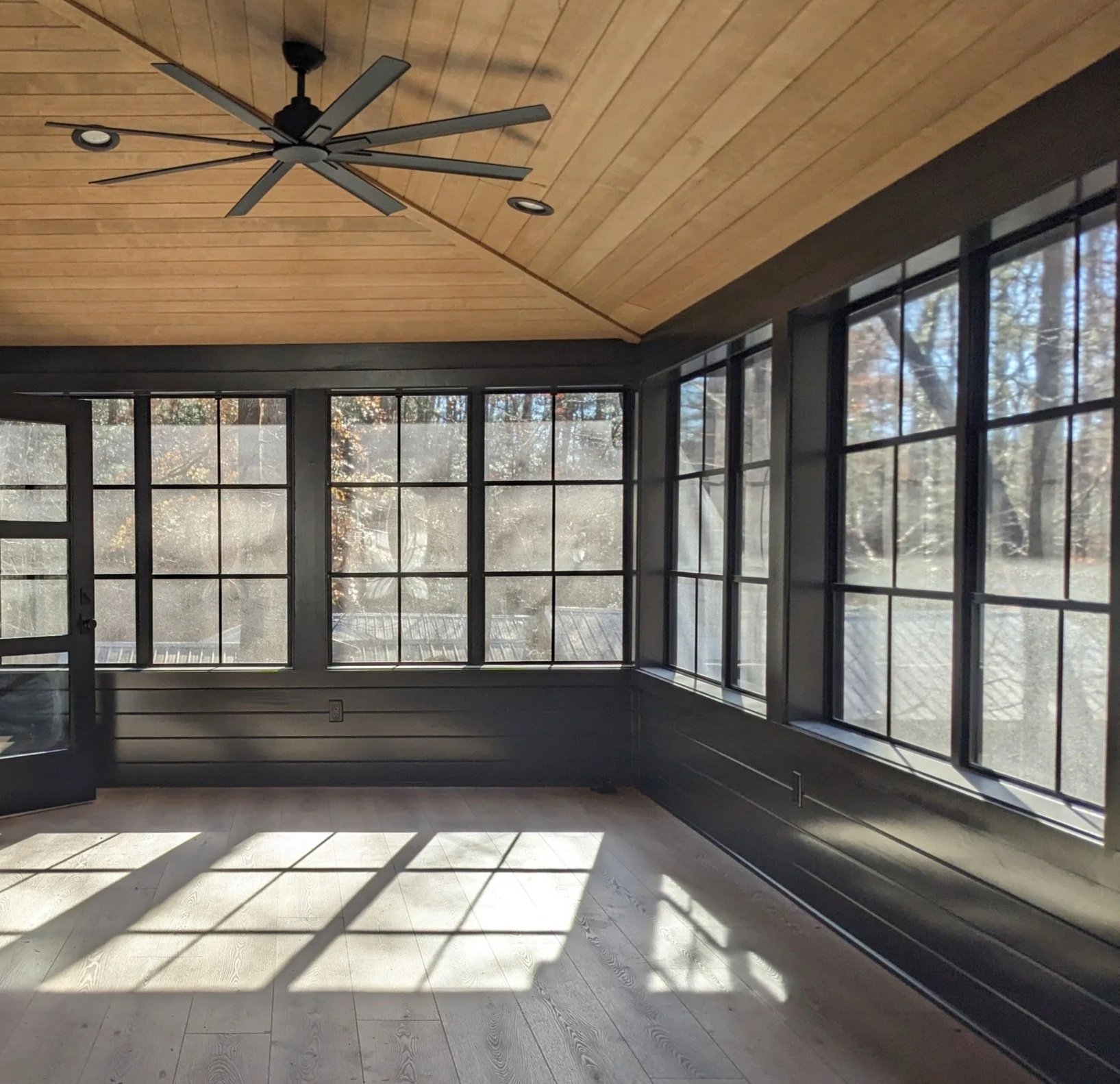
When you buy a home, a realtor asks what's on your wish list and what your dealbreakers are. Do the same for your renovation. Your list might include a 48" gas range for the home chef, or less exciting but equally important items like new plumbing pipes. Knowing your priorities keeps you and your designer focused on what matters most and helps determine the sequence and phasing of the work.
4. Space planning
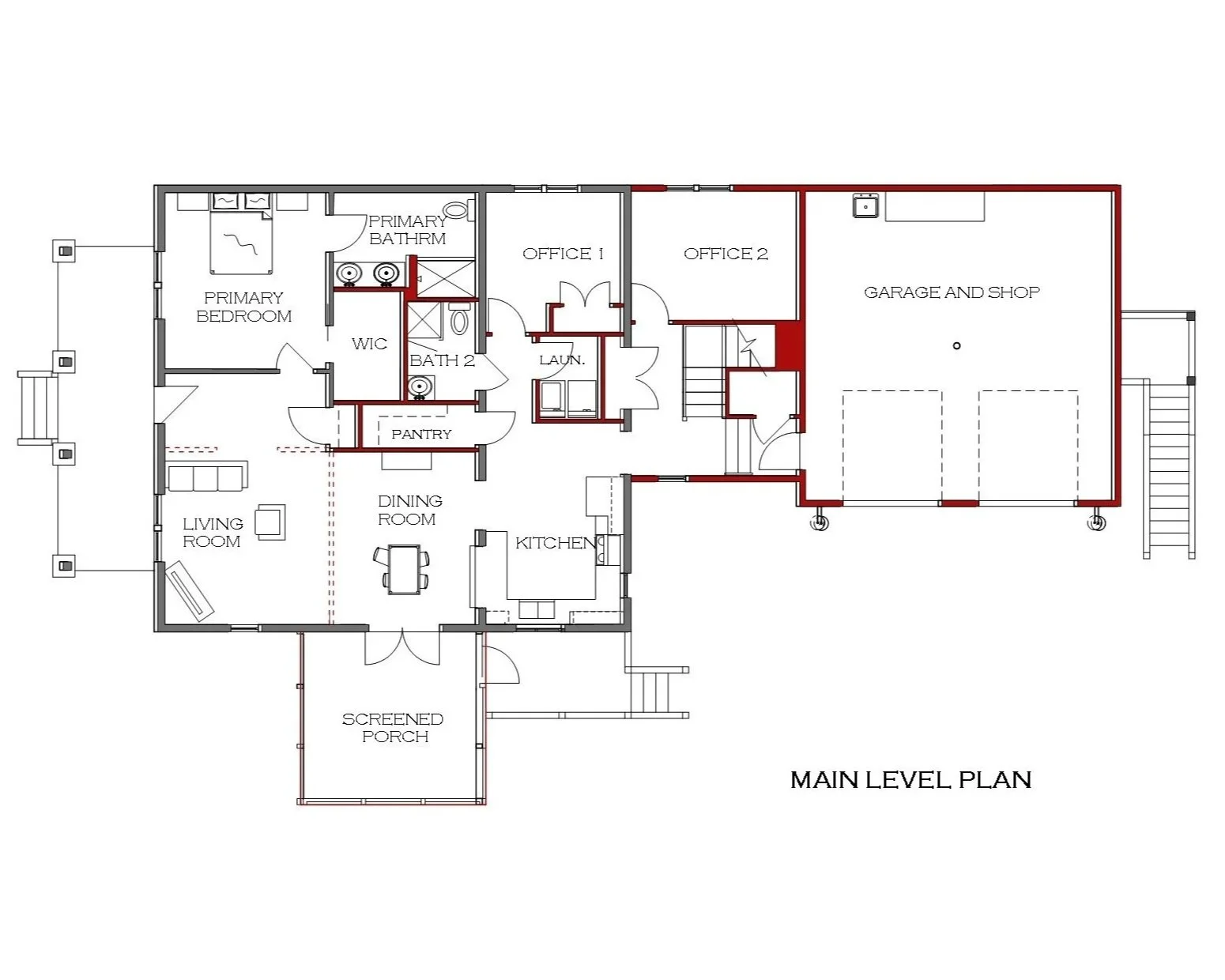
How much space do you really need? Space planning is both practical, dealing with square footage, traffic flow, and how you actually use your home, and philosophical, asking what values drive your decisions and how you want your family and guests to feel in this space. This step has to happen before you start picking out the pretty things like light fixtures or cabinetry. I've written more about it [HERE].
5. Decisions, decisions, decisions
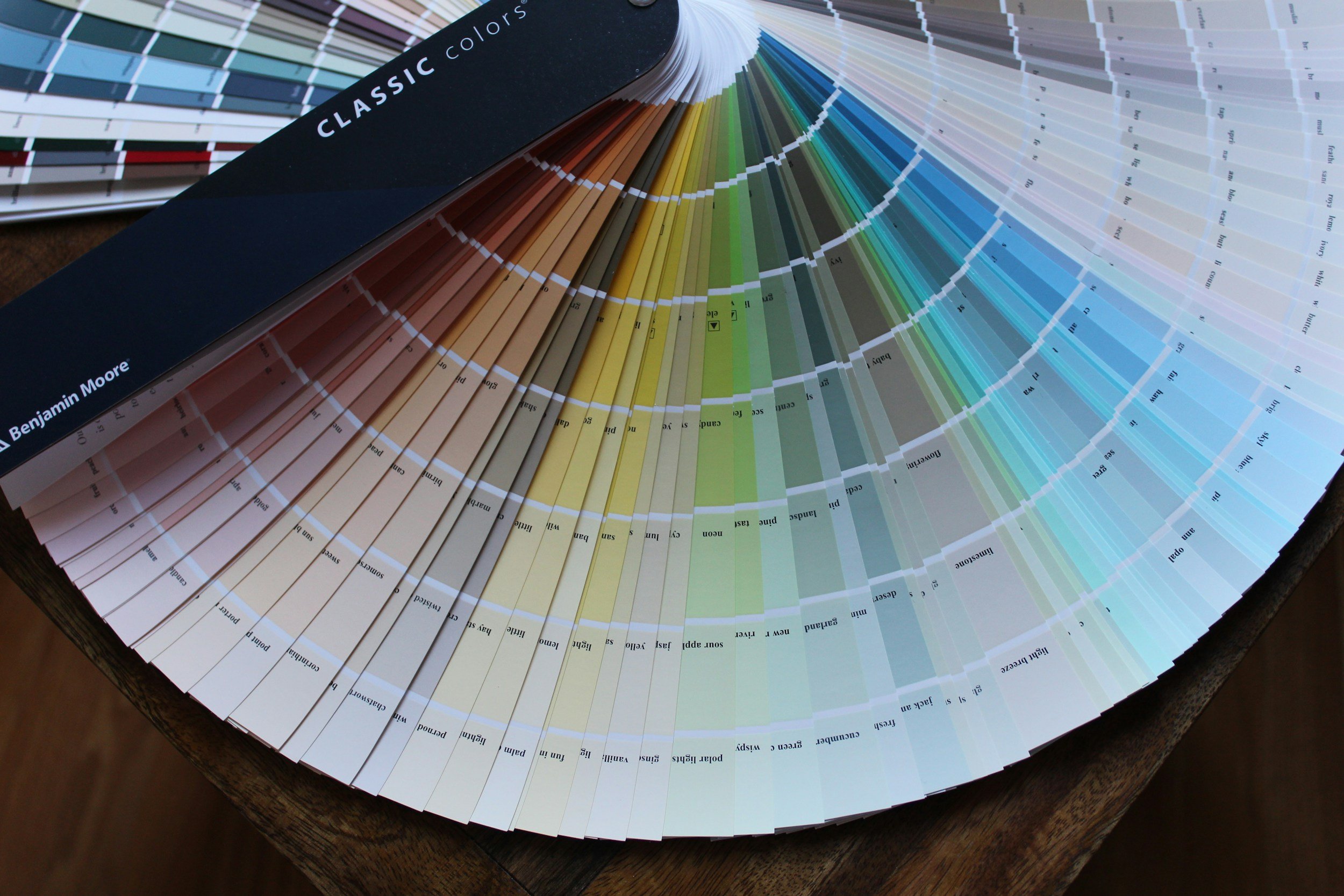
There are so. many. decisions. in any construction project, including obvious ones like what tile and what fixture, and less obvious ones like where the tile pattern starts, how materials transition, and what kind of light switches go where. A good designer guides you through all of it so the end result is intentional and matches your vision. Decision fatigue is real, and your priority list will be your lifeline — it helps you identify where you want to invest time and money, and what isn’t as important to you.
6. Surprise!
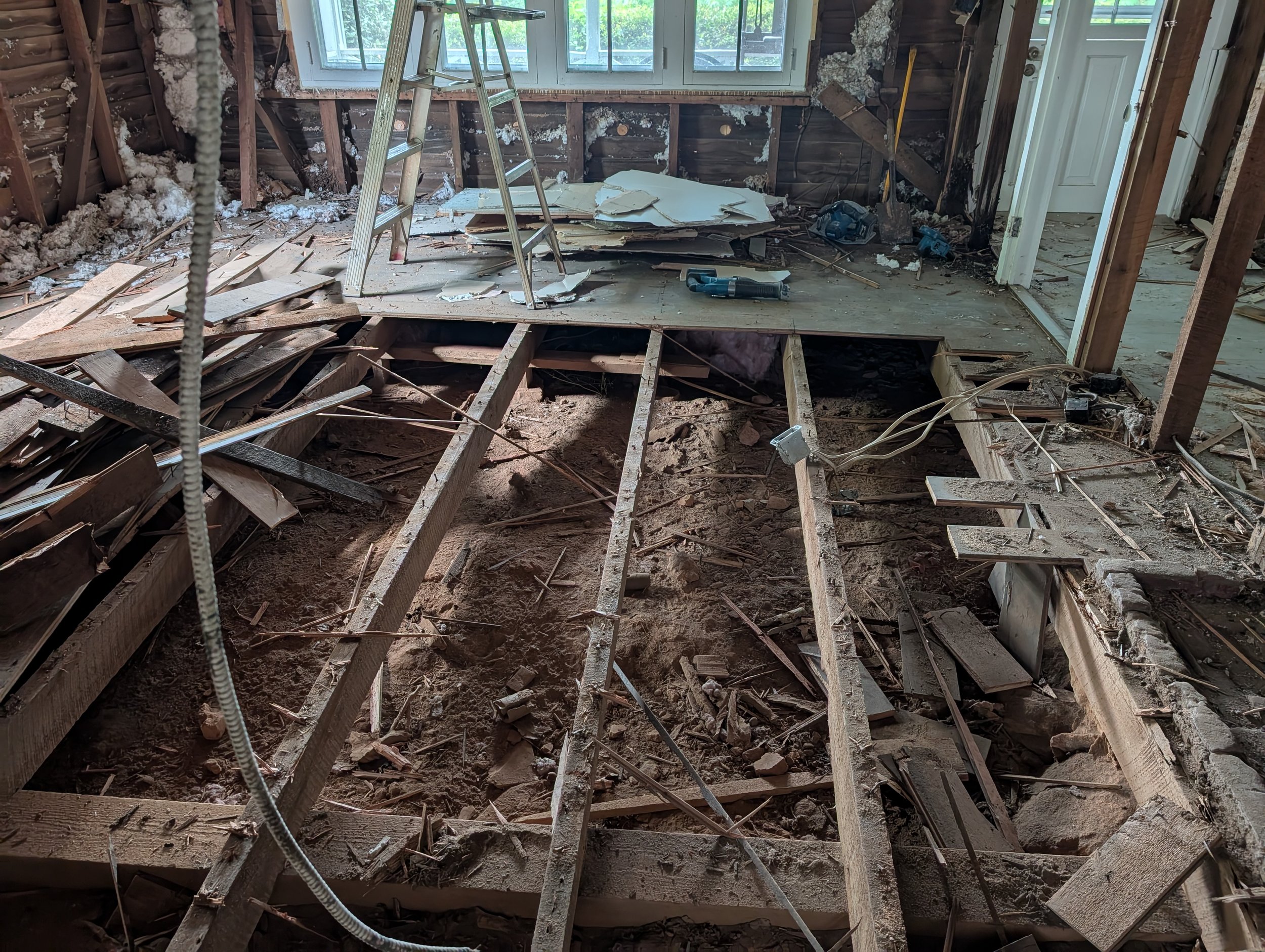
There will always be unexpected discoveries during demolition, and a good architect anticipates many of them during the design phase. This makes construction smoother and less expensive. Additionally, a good builder will include a contingency in the contract for the things no one saw coming. Even so, I always recommend keeping a small "emergency fund" set aside, because budgeting so tightly that there's no room for error is one of the fastest ways to lose your sanity.

7. Manage the Stress
Renovating a home is stressful. You're either living in a construction zone or temporarily displaced, while your regular life keeps moving. Expenses feel intense, decisions pile up, and deadlines arrive whether you're ready or not. Remember that this is a marathon, not a sprint.
Show yourself and the people around you some grace. Lean on your support system for meals, childcare, laundry, or just a quiet hour away from the sawdust. Celebrate the small wins and keep the end goal in front of you. You're on a quest, and the hard stretches are part of the story, not a sign that something went wrong.
8. Think long-term
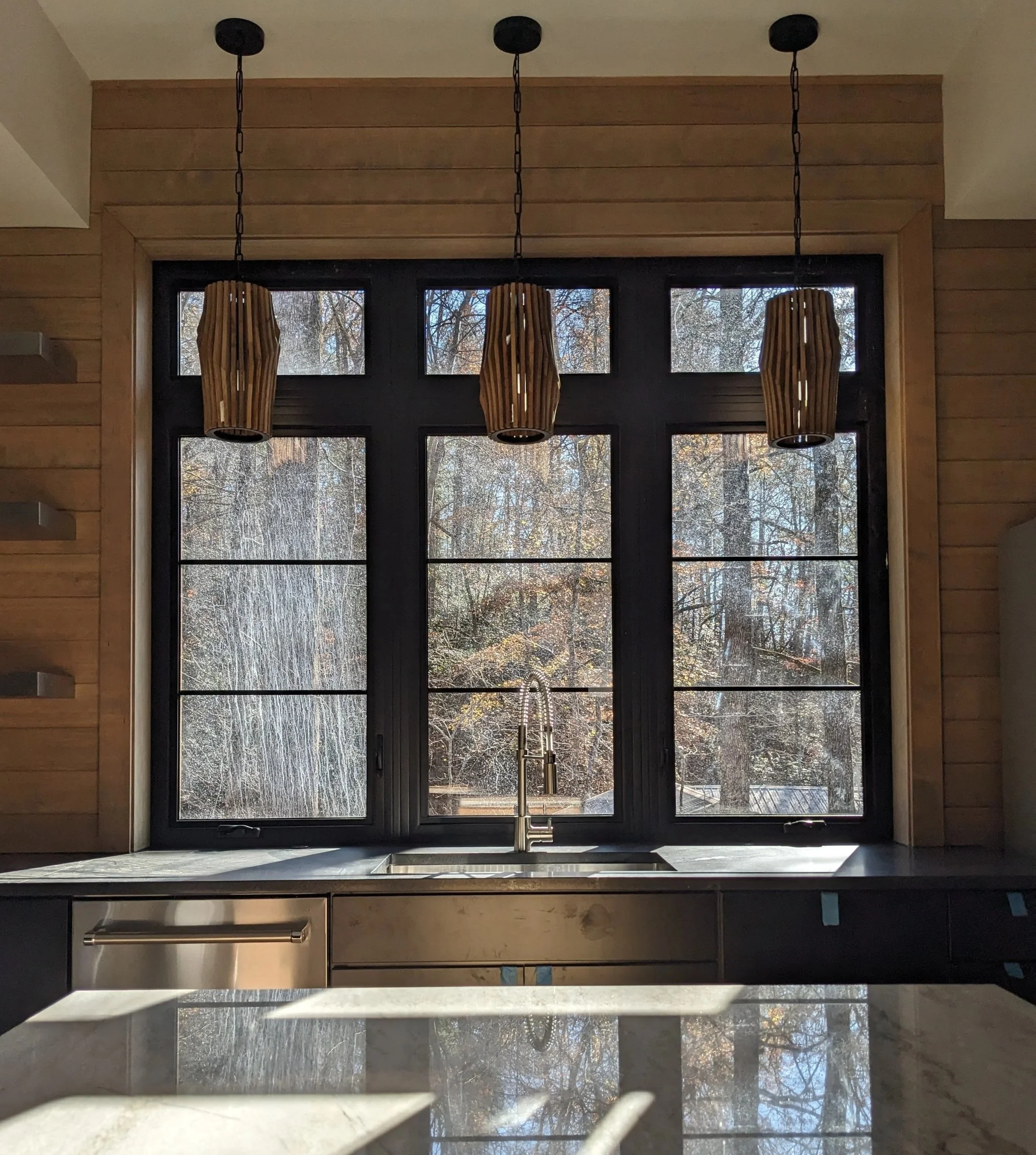
Most renovations start with an urgent need: a broken stove, a new baby, a space that no longer works. Your project will solve that immediate problem, but don't stop there. Is this your “forever home”? Then think about how your needs might change in ten or twenty years, and how you can design your home to adapt to a changing lifestyle. Want solar panels someday? Then improving your insulation and air sealing now will make that investment more effective later. A good architect helps you plan not just for today, but for the life you want to be living in this home a decade from now.

9. Find your traveling companions
You don't have to do this alone. The best renovation projects I've been a part of had something in common: a team of people working together toward the same goal, where the everyone communicates well and often, the contractor knows what you value, and the architect is in your corner to help navigate the hard decisions. Asking for help isn't a sign of weakness. It's how good projects get finished well.

10. You're going on an adventure!
Your existing home isn't working, and you've decided to do something about it, which takes real courage and commitment. Home renovation is a quest, and as with any adventure there will be challenges, unexpected turns, and moments where you wonder why you started. There will also be wins worth celebrating, decisions you're proud of, and a day when you walk through your finished home and feel it — that wholeness, that sense of finally being home.
That's what we're building toward.
If you're thinking about a renovation and aren't sure where to begin, I'd love to help you plan the journey. A Floor Plan Analysis is a great first step, giving you a clear picture of what's possible and a roadmap for what comes next. Schedule a free Discovery Call today!
